

ATNS Coaches
Neuroplastic Symptom Recovery Coaching (NSRC)
Neuroplastic Symptom Recovery Coaching (NSRC) is a new, specialized, non-clinical, educational, and neuroplasticity-centered mindbody approach that supports individuals experiencing chronic symptoms by teaching brain-based tools rooted in neuroscience research, emotional awareness and expression, and nervous system regulation.
NSRC is not counseling, psychotherapy, or medical treatment—we do not engage in talk therapy or diagnose medical conditions. Instead, we work with the physiology of the stress response and the mindbody connection. The goal is to reduce symptoms linked to stress (past or present), trauma, emotions, or other life challenges that might not be fully recognized.
While we use the term coaching, Neuroplastic Symptom Recovery Coaching (NSRC) is a unique specialty approach that differs from certified life coaching and health and wellness coaching. Unlike general coaching models that focus primarily on goal-setting and accountability, NSRC is based on neurophysiological principles, mindbody education, nervous system regulation, and symptom reprocessing. NSRC coaches are trained specifically in the science of neuroplastic symptom resolution, which is not typically included in standard coaching certifications. This approach is also distinct from therapy or clinical treatment, existing in its own non-clinical, educational space.
Our coaching model is grounded in evidence from neuroscience, psychology, and somatic research.
Become Listed as a Neuroplastic Symptom Recovery Coach
A $25 non-refundable application processing fee is required, though it does not guarantee listing in the Directory. Please note an additional cost is required if you need to upgrade your membership to clinician-level.
Core Areas of Practice
-
Pain Neuroscience Education (PNE)
This is a fundamental aspect of our approach to neuroplastic symptom recovery. By explaining the brain's role in pain perception and symptom amplification, PNE helps clients shift from viewing their pain as a purely physical or medical issue to understanding it as a complex interaction between the body, mind, and environment. This knowledge is essential for reducing fear and anxiety around symptoms, enabling clients to reframe their experiences and regain agency and empowerment over their healing process. PNE breaks the cycle of chronic pain by educating clients on how neuroplasticity can retrain the brain and reverse maladaptive pain pathways, thereby fostering recovery.
-
Nervous System Regulation
We help clients identify and regulate their autonomic nervous system to reduce symptoms that arise from elevated stress levels. This includes techniques such as grounding, breathwork, and mindfulness to shift from stress responses (e.g., fight, flight, or freeze) into states that promote safety, connection, and healing.
-
Symptom Reprocessing
We work with clients to reframe and reinterpret physical and emotional symptoms caused by past or present stressors or unresolved emotional experiences. This process involves supporting clients in retraining their nervous system through neuroplasticity, ultimately helping the brain and body return to a well-regulated state.
-
Emotional Awareness and Expression
One of the pillars of our approach is fostering emotional awareness, which includes supporting clients in tracking, identifying, and experiencing emotions in their bodies. Techniques such as somatic awareness or expressive writing can help clients gently process emotions that may contribute to their symptoms.
-
Cognitive and Behavioral Education
Help identify cognitive patterns, beliefs, and habits that may contribute to ongoing symptoms. We educate clients on how thoughts, behaviors, and self-talk influence the state of their nervous system and provide tools to challenge and reframe negative or limiting beliefs that might perpetuate their pain or discomfort
-
Encouraging Self-Reflection
In certain situations, it may be appropriate to encourage clients to reflect on their life experiences, including past events, relationships, personality traits, or behaviors that may be contributing to their symptoms. This exploration is done gently, with a focus on empowering clients to identify and process underlying emotional triggers or unresolved stress.
-
Empowerment and Agency
Central to our approach is the belief that clients are the experts in their own healing process. We aim to provide them with the tools, knowledge, and skills to regain agency over their bodies and emotional states. Our goal is to facilitate self-awareness, self-compassion, and personal growth while fostering a sense of control and resilience in the face of chronic symptoms.
FAQ
I’m looking for a coach
-
The ATNS Directory is great place to find a Neuroplastic Symptom Recovery Coach (NSRC) Find a Neuroplasticity Practitioner or Coach | Symptomatic.me
-
ATNS recognized NSRCs have met the ATNS board-approved criteria that qualifies them for listing in the directory.
-
Each coach has their own style, but all practice within the five core areas of practice found here. You can learn more about individual NSRCs on their directory listing.
NSRC is a complementary support system and is not intended to substitute medical or mental health care.
-
Coaching conversations may touch on emotional patterns, past experiences, or nervous system responses. However, if you are looking to process severe trauma, are experiencing suicidal ideation, psychosis, or persistent emotional dysregulation arise, please seek the support of a licensed mental health practitioner. Licensed mental health practitioners can be found on the ATNS Directory here.
I am a coach or I’m looking to become a coach
-
There are a wide variety of courses and trainings that have supported coaches in this field. Everyone’s path is a bit different based on their backgrounds, experience, and areas of interest.
The first step is becoming a clinician-level member of the ATNS. Membership includes a variety of benefits that can support your learning and professional growth. You can find more information about ATNS membership here. If you are interested in being listed as an ATNS recognized NSRC, please review the criteria here.
-
The Coaches Advisory Council was created to outline the criteria for professionals who wish to be listed in the ATNS Directory alongside licensed doctors, therapists, and other practitioners. We review and manage applications for inclusion in the ATNS Directory, support the broader ATNS mission, provide value for the existing coaches, and facilitate the Coaches Special Interest Group (C-SIG). The ATNS and the Coaches Advisory Council do not offer or endorse specific formal trainings to become a Neuroplastic Symptom Recovery Coach (NSRC).
-
No. These criteria have been formally approved by the ATNS Board and apply uniformly to all applicants. We’re committed to elevating this profession and establishing a clear, credible standard for Neuroplastic Symptom Recovery Coaches. Because coaches enter this field from a wide range of backgrounds, it’s essential that we maintain a consistent, systematized set of entry requirements. A credible level of neuroplastic symptom recovery coaching training and experience is necessary for coaches to stand alongside licensed medical and mental health professionals who have completed thousands of hours of preparation to serve their patients. As part of this process, applicants will likely need to complete additional requirements to ensure alignment with these professional standards. For that reason, we’re unable to make exceptions or accommodations on a case-by-case basis.
-
How To Find a Course
-
All applications submitted for entry into the coach directory are initially reviewed by the Coaches Advisory Council, with final approval determined by an ATNS board member. In the event that an applicant is missing criteria, the application approval process may be delayed.
-
NSRCs have met the minimum requirements approved by the ATNS board.
-
Growing community
Directory listing
-
In addition to the $25 application fee, clinician-level membership of the ATNS is required. If you are unsure about your membership level, please check your membership account.
-
Yes! Please reach out to the Coaches Advisory Council at coach@symptomatic.me
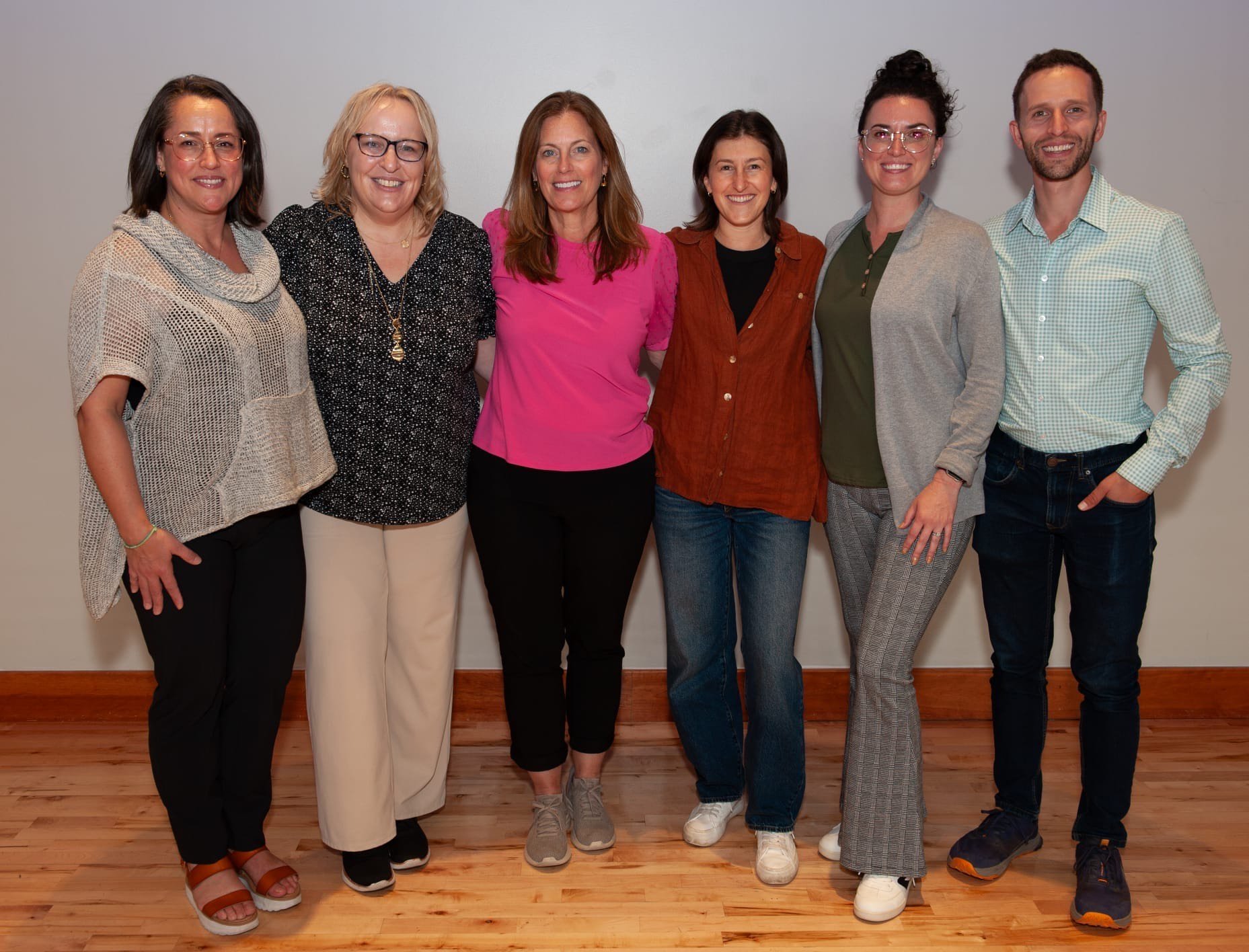
Coaches Advisory Council
Monica Lia Setti, Simone Holderbach, Karen Ash, Isabel Benatar, Chelsea Angilella, and Alec Kassin
Questions?
Contact us for more info: Coach@neuroplastic.org